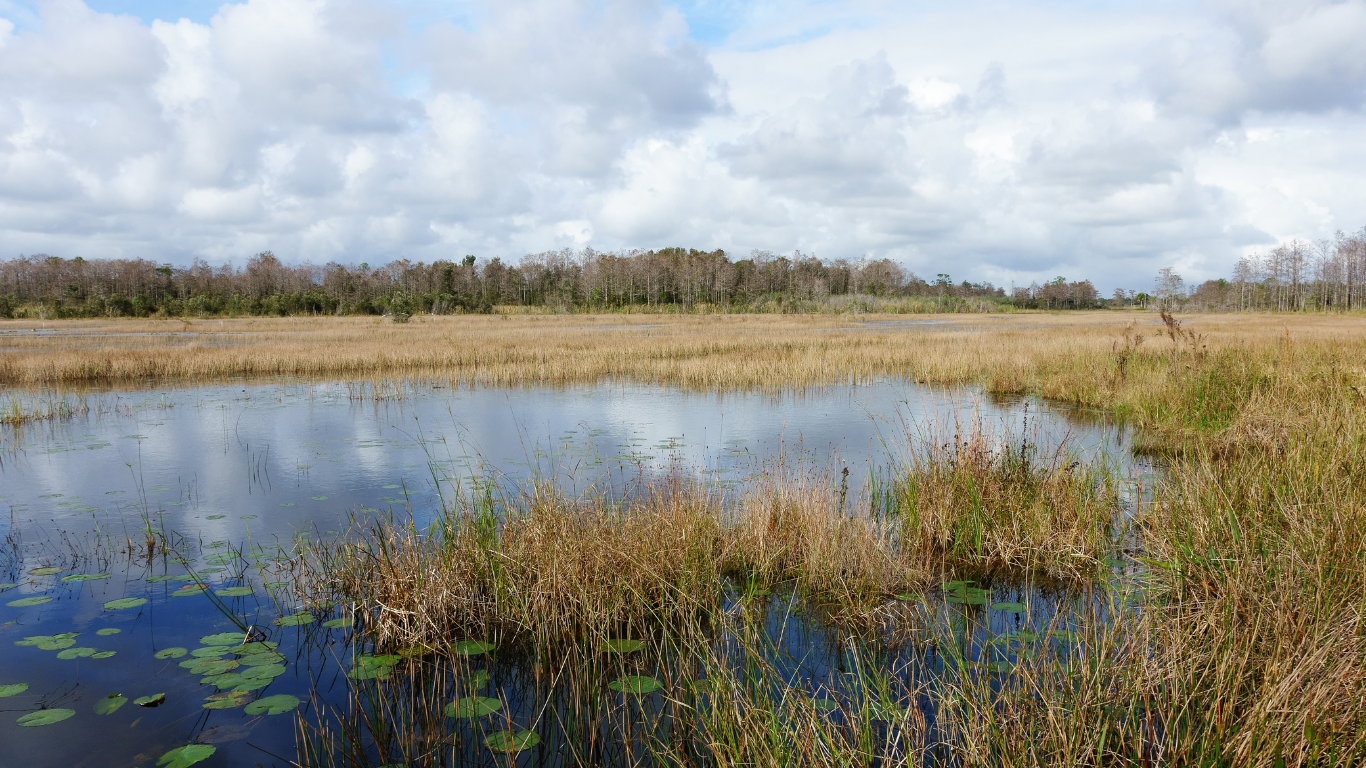
Spring Creek East Watershed Implementation Plan
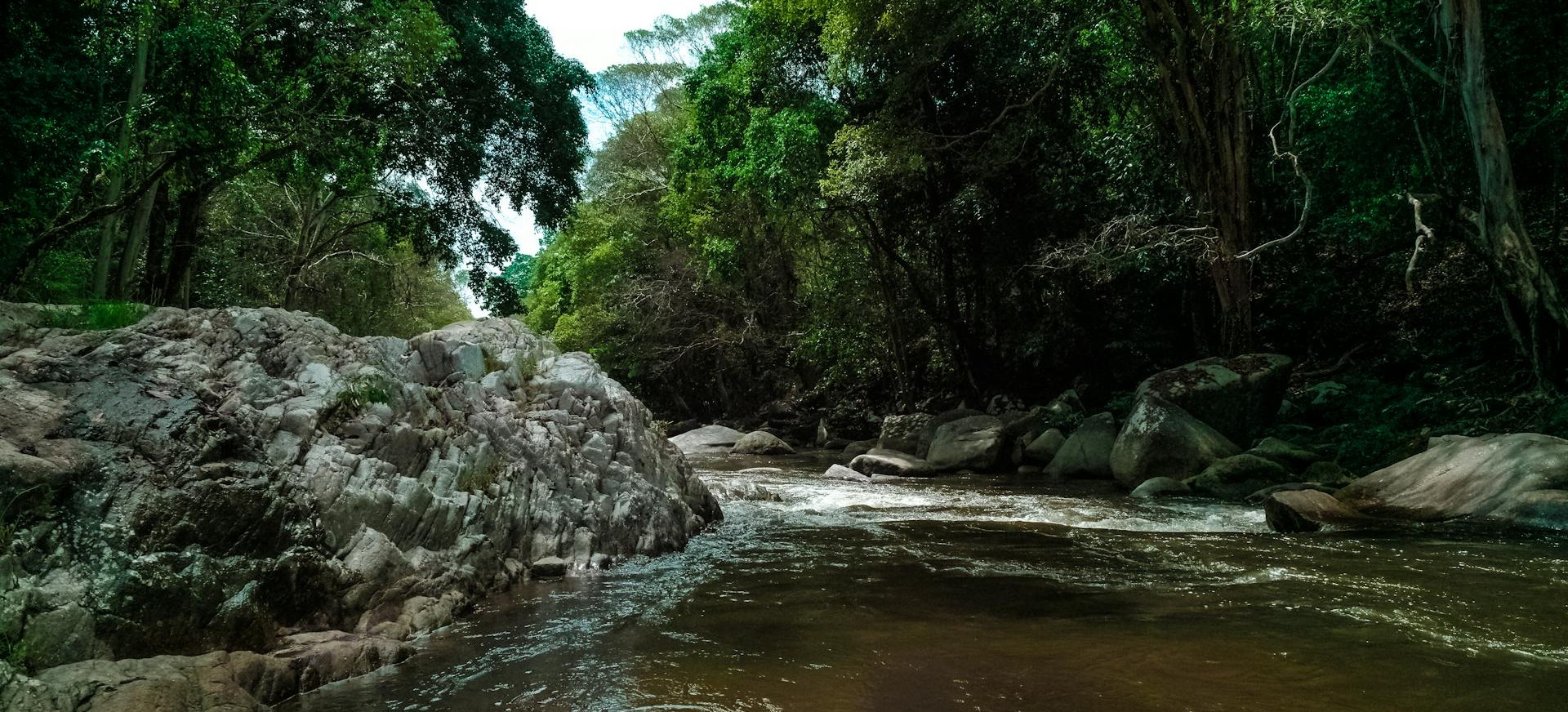
Spring Creek East Watershed Implementation Plan
The Spring Creek East watershed, located near Hershey, Pennsylvania, is a tributary of Swatara Creek, which drains to the Susquehanna River near Harrisburg and ultimately feeds into the Chesapeake Bay. This 24 square mile watershed faces significant challenges with 91% of its stream miles classified as impaired. One of the primary issues is erosion, caused by uncontrolled urban and agricultural runoff.
To address these problems, the Center for Watershed Protection (CWP) led a cooperative effort to develop a comprehensive Watershed Implementation Plan (WIP) for the watershed. Spearheaded by the Doc Fritchey Chapter of Trout Unlimited, this project included partners Penn State University, Ecosystem Planning and Restoration, Dauphin County Conservation District, Lebanon County Conservation District, Derry Township, and other stakeholders. The plan was funded through a Pennsylvania Department of Environmental Protection (PA DEP) Nonpoint Source 319 grant.
The plan specifically targets implementation in a 10.6 square mile, primarily agricultural catchment comprising the headwaters of the Spring Creek East watershed. The hope is that by concentrating efforts in small headwater areas, measurable gains in water quality will be realized more quickly. In addition, this targeting eliminates duplication of efforts by focusing on areas not already covered by municipal stormwater permits.
CWP’s role in this project was to develop a Quality Assurance Project Plan, assess properties for stormwater retrofit potential, model pollutant load reductions for all recommended projects in the WIP, write the draft and final WIPs, and shepherd the plan through the process for final plan approval by both PA DEP and EPA. CWP also conducted several stakeholder meetings to collect resident input into the development of the plan and to present final results to the local watershed groups and other interested individuals.
The final WIP identifies the following suite of agricultural, stream restoration, and stormwater retrofit projects to reduce sediment loads:
- Six stormwater retrofit opportunities treating 25 acres of land
- More than 70 opportunities for agricultural best management practices
- 30 priority stream reaches for restoration
The project prioritization emphasized cost-efficiency, environmental stewardship, and collaboration with landowners and local stakeholders, ensuring that selected sites provide significant ecological benefits while remaining financially viable. The WIP also provides a summary of the estimated pounds of phosphorus, nitrogen, and sediment these projects would remove each year and estimates the necessary pollutant load reductions needed to achieve conditions found in a similar, unimpaired watershed.
In addition to implementation of agricultural and urban best management practices, recommendations for stakeholder engagement, agricultural land preservation, water quality monitoring, and increased staff capacity to support BMP implementation are provided to achieve the goals of the WIP and reduce sediment loads. Other key components of the WIP include implementation cost estimates, a list of funding opportunities, a public outreach plan, and a schedule for implementation with partners and milestones.
PA DEP and the EPA have approved the Spring Creek East WIP, which means projects identified in the plan are eligible for Nonpoint Source 319 implementation funding. The WIP provides a roadmap for reducing sediment and accompanying nutrient loads to the creek by identifying strategies to be implemented by partners and local stakeholders who are committed to improving the creek’s health. Already a local nonprofit watershed group has been formed to raise public awareness and help facilitate implementation to ensure the creek’s long-term vitality.
For more information about this project contact Chris Swann at cps@cwp.org.